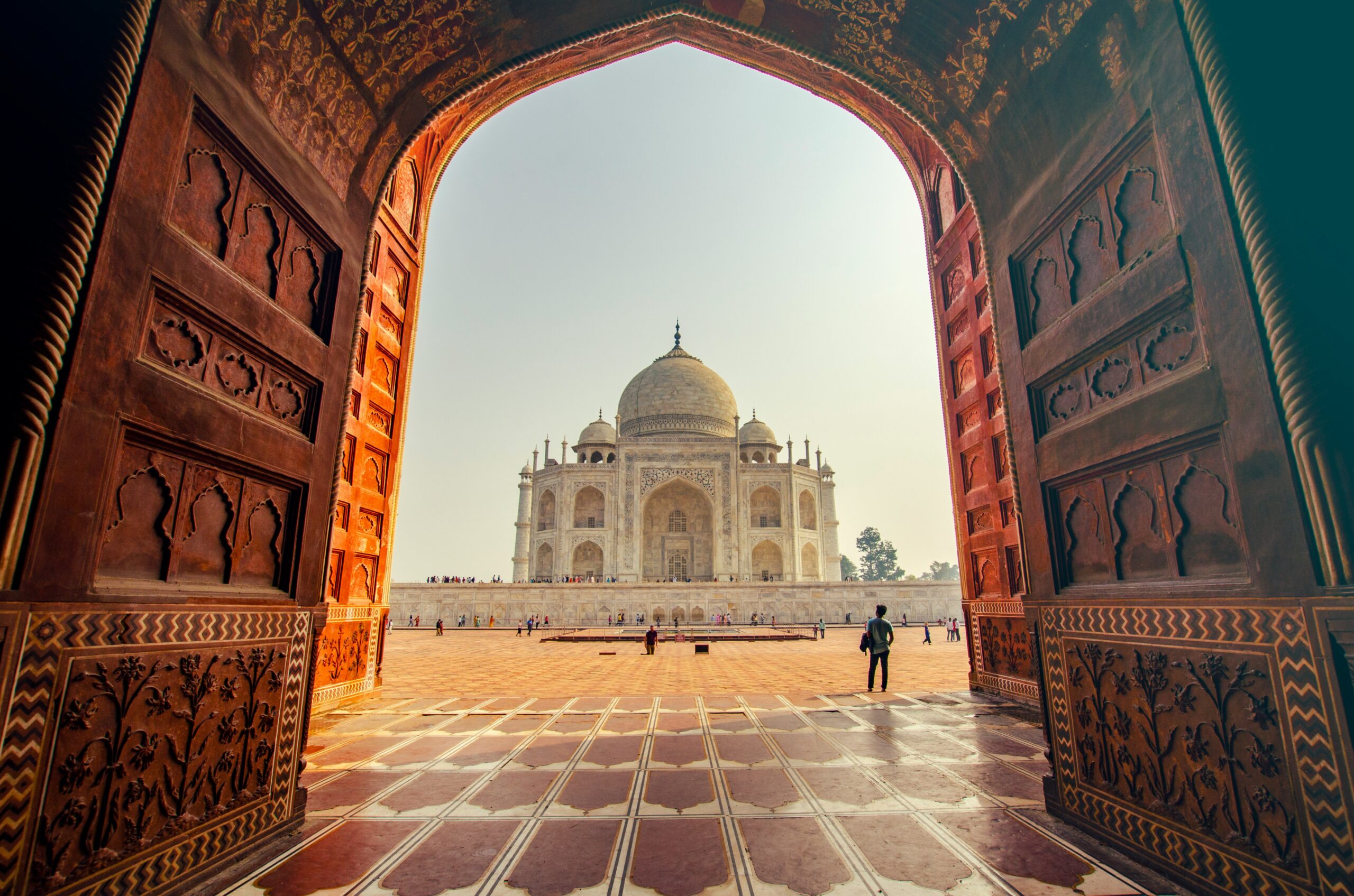
India rarely leaves visitors indifferent. It’s a country of extremes — ancient temples beside modern tech hubs, quiet Himalayan villages a world away from Mumbai’s crowded streets, and a diversity of language, food, and landscape that no single trip can fully capture. Here’s a practical starting point for planning your visit.
When to Go
The most comfortable months for most of India are October through March, when the punishing summer heat has broken and the monsoon rains (roughly June-September) have passed. Northern India, including Delhi and Rajasthan, is particularly pleasant from November to February, while hill stations like Shimla and Manali are better suited to a summer escape from the heat.
Top Destinations
The Golden Triangle (Delhi, Agra, Jaipur) — The classic first-time itinerary. Delhi offers Mughal-era forts and colonial-era boulevards side by side; Agra is home to the Taj Mahal, best seen at sunrise before the crowds arrive; Jaipur, the “Pink City,” is known for its palaces, forts, and bustling bazaars.
Rajasthan Beyond Jaipur — Udaipur’s lake palaces, Jodhpur’s blue-washed old town, and Jaisalmer’s desert fort are all worth the extra time if you have it.
Kerala’s Backwaters — In the south, a houseboat cruise through Kerala’s palm-lined canals is one of India’s most relaxing experiences, paired well with the beaches of Kovalam or Varkala.
Varanasi — One of the oldest continuously inhabited cities in the world, and a deeply spiritual place to witness the evening Ganga Aarti ceremony along the Ganges River.
Goa — For beaches, nightlife, and a more laid-back pace, Goa’s blend of Portuguese colonial architecture and coastal relaxation is a popular counterpoint to the more intense pace of northern India.
Himalayan North — Rishikesh for yoga and adventure sports, Shimla and Manali for cooler mountain air, and Ladakh for high-altitude landscapes and Buddhist monasteries.
Food
Indian cuisine changes dramatically by region, so don’t judge the whole country by one city’s food. In the north, expect rich curries, naan, and tandoori dishes; in the south, dosas, idlis, and coconut-based curries dominate. Street food is an essential part of the experience — try chaat, vada pav, or golgappa from a reputable, busy stall — but ease into spicy food and unfamiliar water sources gradually if you’re not used to them.
Practical Tips
Most nationalities need a visa to enter India; the e-Visa system covers many travelers and can be applied for online in advance.
Drink bottled or filtered water, and avoid ice unless you know it’s made from purified water.
Dress modestly, particularly at religious sites — carrying a scarf or shawl to cover shoulders or your head is useful.
Bargaining is expected in markets and with auto-rickshaw drivers who don’t use a meter; agree on a price before you get in.
Trains are the classic way to cover long distances and a memorable experience in themselves — book in advance through IRCTC, especially during festival seasons.
Tipping around 10% at restaurants is appreciated, and small tips for drivers, guides, and hotel staff are customary.
How Long to Stay
Two weeks is a reasonable minimum to see even one region properly — India is too vast and varied to rush. If it’s your first visit, consider focusing on one or two regions (such as the Golden Triangle plus Rajasthan, or Kerala plus Goa) rather than trying to cover the whole country in a single trip.