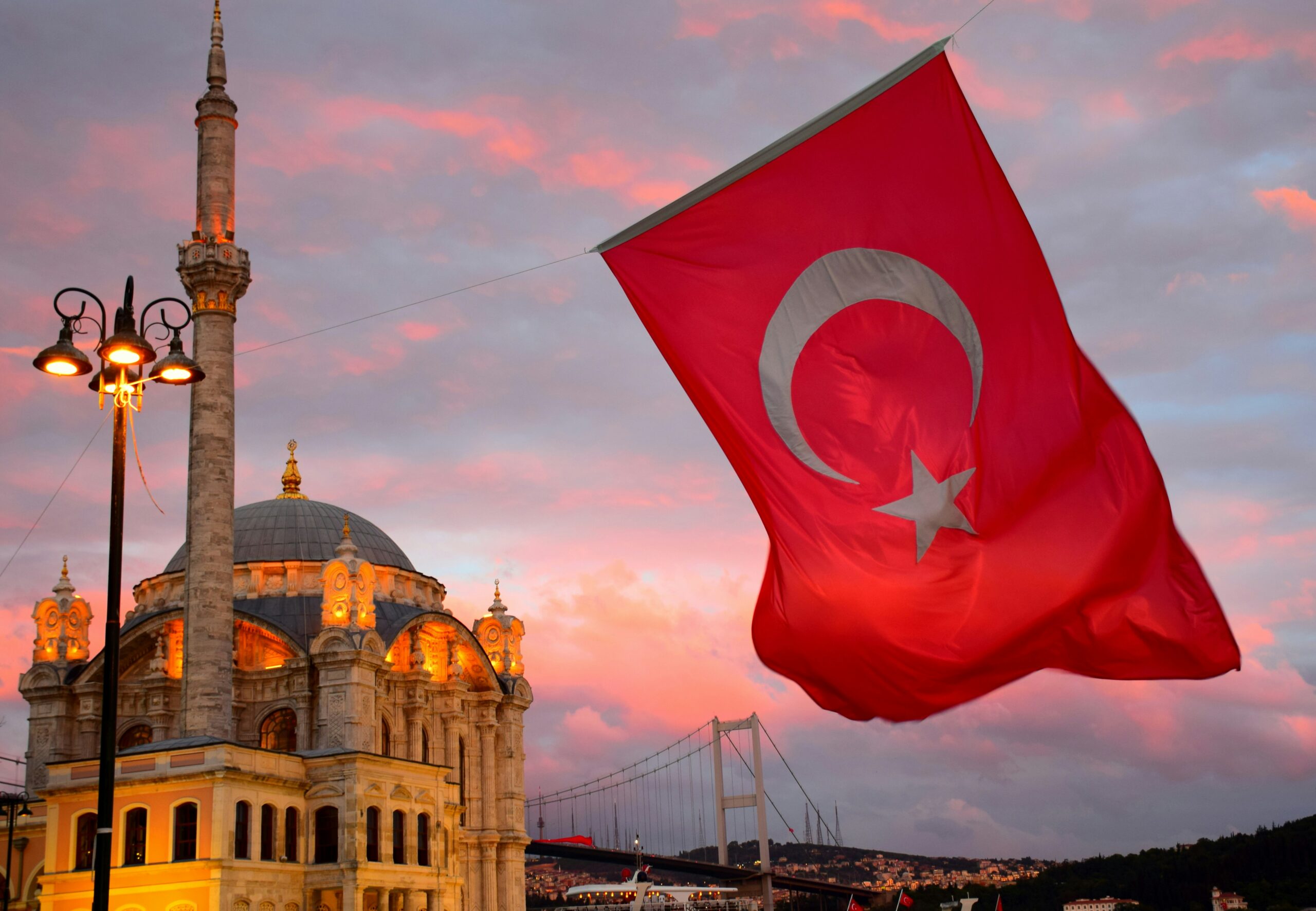
Turkey sits at the literal crossroads of Europe and Asia, and that in-between quality shows up everywhere — in the food, the architecture, and the layered history of empires that have ruled from Istanbul. From ancient ruins to Mediterranean coastline to otherworldly rock formations, Turkey offers an unusually wide range of experiences for a single country.
When to Go
Spring (April-May) and autumn (September-October) are the best times to visit most of Turkey, with mild temperatures and smaller crowds. Summer (June-August) is peak season for the Turquoise Coast but can be uncomfortably hot inland and in Cappadocia. Winter is quiet and cold in most of the country but can still be a good time to visit Istanbul if you don’t mind cooler weather.
Top Destinations
Istanbul — The obvious starting point, and worth at least three or four days. Highlights include the Hagia Sophia, the Blue Mosque, Topkapi Palace, the Grand Bazaar, and a Bosphorus cruise between the European and Asian sides of the city. The Basilica Cistern and the neighbourhoods of Galata and Kadıköy are also well worth the time.
Cappadocia — Famous for its hot air balloon rides over surreal, wind-carved rock formations, cave hotels, and underground cities carved by early Christian communities hiding from persecution. Sunrise balloon flights should be booked well in advance.
Pamukkale — The white, terraced mineral pools of Pamukkale (“Cotton Castle”) sit right next to the ancient Roman spa city of Hierapolis, making it easy to combine natural scenery with archaeology in a single stop.
Ephesus — One of the best-preserved ancient Roman cities in the Mediterranean, with the Library of Celsus and the Great Theatre as standout ruins near the town of Selçuk.
The Turquoise Coast — Towns like Fethiye, Ölüdeniz, and Antalya offer beach resorts, paragliding, and boat trips along a coastline known for its striking blue-green water.
Bodrum — A more upscale coastal option, popular for its marina, nightlife, and nearby ancient sites like the Mausoleum at Halicarnassus.
Food
Turkish food deserves its own trip. Beyond kebabs, expect meze spreads, fresh seafood on the coast, künefe and baklava for dessert, and Turkish tea or coffee served constantly and often as a gesture of hospitality. In Istanbul, a proper Turkish breakfast (kahvaltı) — a spread of cheeses, olives, eggs, honey, and bread — is worth setting aside a slow morning for.
Practical Tips
Most Western nationalities can obtain an e-Visa online before arrival, or in some cases enter visa-free — check current requirements for your passport.
The Turkish lira has experienced significant inflation in recent years, which generally makes Turkey good value for visitors paying in stronger currencies, though prices should still be checked close to your travel dates.
Dress modestly when visiting mosques — women should carry a scarf to cover their hair, and everyone should have shoulders and knees covered; shoes are removed before entering.
Bargaining is expected in bazaars and markets, less so in shops with marked prices.
Domestic flights and buses are affordable and efficient for covering Turkey’s size — flying between Istanbul and Cappadocia, for instance, saves significant time over the long overland route.
Tipping around 10% at restaurants is customary.
How Long to Stay
Ten to fourteen days allows a comfortable loop through Istanbul, Cappadocia, and the coast without feeling rushed. If time is limited, Istanbul and Cappadocia together make a strong and manageable one-week itinerary that captures much of what draws people to Turkey in the first place.
this is content
Faq 2
| This is table col 1 | Table col 2 |
| Table here it is | Qwerty one two three |